
Are HYROX Sled Push and Pull your nemesis? Uncover our data-driven strategies from millions of splits to turn weaknesses into strengths and crush your personal bests.
HYROX Sled Push & Pull: The Wall Every Athlete Dread
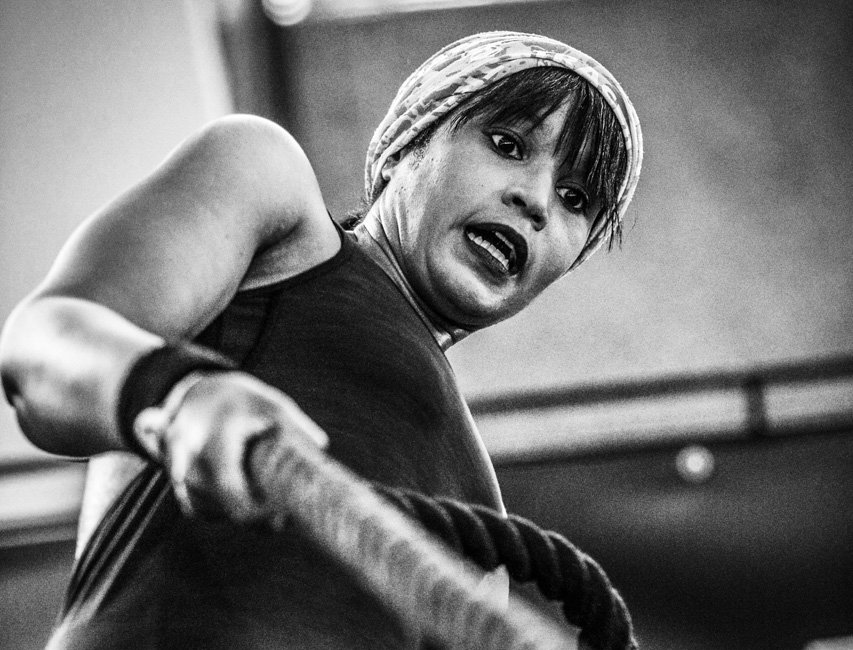
You know that feeling, right? That moment you reach the sled station, your legs are heavy, lungs burning, and the cold steel of the sled feels like it weighs a ton. The Sled Push and Sled Pull are often the HYROX boogeymen, capable of derailing an entire race. But what if you could transform this dreaded event into an opportunity to shave precious minutes off your time, or even crush your Personal Best? At ROXWALL, we've analyzed millions of splits, and we're here to reveal the secrets to mastering these hellish stations with technique and strategy.
These two events, which alternate pure strength and muscular endurance, represent a unique challenge. Pushing a sled loaded to 102 kg in Women Open, 152 kg in Men Open and Women Pro, up to 202 kg in Men Pro over 50 meters, then pulling 78, 103 or 153 kg depending on your division over the same distance, in four 12.5 metre lengths per station, isn't just about raw power. It's a clever blend of technique, pacing, and mental fortitude.
Why Does the Sled Make You Suffer So Much?
- Global Muscle Demands: Your quadriceps, hamstrings, glutes, calves, back, shoulders, and even your grip (for the pull) are pushed to their absolute limit.
- Accumulated Fatigue: After kilometers of running and other stations, your muscles are already tired. The sled amplifies this burning sensation.
- Cardio Impact: Despite its 'strength' aspect, the sled can spike your heart rate if not managed correctly, affecting your subsequent runs.
- Mental Game: The length of the lanes and the apparent slowness of the movement can be demotivating. Staying mentally focused is crucial.
Master HYROX Sled Push Technique to Gain Precious Seconds
To truly optimize your HYROX Sled Push, you need to move beyond simply 'pushing hard.' Technique is your best ally for conserving energy and maximizing efficiency. We've observed elites and Age Groupers, and the best share common traits.
Body Position: The Secret to Power
Your starting position is fundamental. Imagine you're a bulldozer, low and compact.
- Angle of Attack: Lean forward about 45 degrees relative to the ground. Your body should form a straight line from your heels to your head.
- Hips Low: Keep your hips low, almost at the level of the sled handles. This is where most of your power will come from. Avoid standing too upright, which turns the push into an inefficient arm and back effort.
- Arms Extended and Elbows Close to Body: Your arms should be extended, forming a direct lever with the sled. Your elbows should stay close to your body to transfer all the force generated by your legs and core.
The Push: Legs, Hips, and Short Strides
Once in position, how you generate movement is essential. It's not just about pushing with your arms.
- Push from the Ground: Energy comes from your feet anchored to the ground. Push hard with your legs, as if trying to push the ground behind you. Your hips should follow and propel the sled.
- Short, Rapid Strides: This is where our data at ROXWALL shows a significant difference. The fastest athletes on the Sled Push overwhelmingly opt for short, rapid strides. This allows for constant force transfer and better cadence, rather than long strides that create jolts and moments of inertia. Maintaining this cadence is key.
- Fluid Transition: Each step should blend into the next. Avoid unnecessary pauses or moments where the sled stops moving, as it's much harder to restart it.
Breathing and Mental Fortitude: Don't Give Up!
Breathing is often overlooked. Inhale deeply before starting, then use short, forced exhalations with each push. Mentally, break down the 50 meters. Aim for a halfway point, then focus on the finish line. Don't let your mind wander, every second counts!
HYROX Sled Pull Technique: Pull Smartly, Not Just Hard
The HYROX Sled Pull is the hidden side of the iceberg. It requires a different technique, focusing on anchoring, grip, and efficient backward movement. Again, strength alone isn't enough.
Anchoring and Posture: A Solid Base
Before you pull, ensure you have a solid base. Your body is a kinetic chain that starts with your feet.
- Starting Position: Face the sled, grasp the rope with a firm grip (neutral grip, palms facing each other, if possible). Your glutes should be low, as if squatting, and your back straight. The cable should be taut even before you start pulling.
- Foot Anchoring: Your feet must be firmly planted on the ground. Use your leg strength to stabilize yourself and resist the pulling force. Avoid leaning too far back, which will unbalance you.
The Movement: Pull with Your Whole Body
The Sled Pull is an inverted 'row' movement, where you pull the ground under your feet rather than pulling the load towards you.
- Start with Hips and Core: Initial power doesn't come from your arms. Pull the cable by engaging your back and hips, leaning slightly back while maintaining constant tension.
- Small Steps Backward: Once you've pulled the sled a short distance, take small, quick steps backward to maintain momentum. It's a dance between pulling and stepping back. Synchronize your steps with the sled's advancement.
- Cable Control: The cable should remain taut. Let slack accumulate, and you'll waste energy every time you have to retighten it. If the cable burns your hands, don't hesitate to readjust quickly, but ideally, avoid stops.
Pacing: Consistent and Efficient
As with the Push, consistency is king. Maintain a constant rhythm, without jerks. If the sled moves in fits and starts, your movement isn't fluid. Try to maintain balanced tension between pulling the cable and stepping back with your feet.
Our Data Speaks: Split Analysis and Common Mistakes
At ROXWALL, with our 1.2 million indexed HYROX results, we see clear patterns and recurring mistakes. Analyzing athlete splits across all categories allows us to draw valuable conclusions to optimize your HYROX Sled Push & Pull performance.
Mistake #1: Poor Effort Distribution
Many athletes start too fast on the first sled lengths, leading to a drastic loss of power on later lengths and intermediate runs. Most athletes who achieve excellent overall times adopt a more conservative and consistent pacing strategy. They manage their effort to avoid burning out early. To see how your performance compares and analyze your own splits, you can check your detailed results on ROXWALL.
Mistake #2: Neglecting Grip (Sled Pull)
Grip is the weak link for many. Even with powerful legs and a strong back, if your hands give out, your entire Sled Pull performance is affected. We observe that athletes who specifically train their grip (Farmer's Carries, Dead Hangs, etc.) have more consistent and faster times on this station.
Mistake #3: Lack of Specific Strength
While technique is key, strength is the fuel. A lack of specific strength in the legs, core, and back results in longer and more exhausting efforts on the sleds. It's not just about muscles but the ability to activate them efficiently under stress.
Training Plan to Optimize Your HYROX Sleds
To truly optimize your HYROX Sleds, you need to incorporate specific exercises into your routine. It's not about doing sleds every day, but about improving the required physical qualities.
Specific Exercises for Sled Push
- Leg Strength: Heavy squats (back, front, goblet), Leg Press, Dumbbell Lunges, Weighted Box Step-ups.
- Explosiveness: Box Jumps, Short Sprints.
- Sled Push Work: Integrate Sled Push sessions with heavier-than-competition loads (short distances), or longer distances with the HYROX load. Vary grips and inclines.
Specific Exercises for Sled Pull
- Back and Posterior Chain Strength: Deadlifts (conventional or sumo), Bent-Over Rows, Pull-ups, Horizontal Pulls.
- Grip Training: Farmer's Carry (with heavy kettlebells or dumbbells), Dead Hangs, Rope Climbing.
- Sled Pull Work: Practice Sled Pull with different resistances, focusing on posture and step synchronization. Use different rope types to vary grip sensations.
Integrating Sleds into Your Routine
Ideally, integrate specific sled work 1 to 2 times a week, either at the end of a strength session or during dedicated functional fitness sessions. Vary intensities and volumes to progressively overload your muscles and improve your strength endurance.
Your Sled Push & Pull Performance, a Finisher Patch to Frame
The Sled Push and Sled Pull are events that test your mental strength as much as your physical. Every time you complete them, you've conquered a significant challenge. When you manage to smash your PB on these stations, or proudly cross the finish line of an HYROX, don't forget to celebrate your achievement. Your finisher patch, or even a special patch for a personal record, deserves to be showcased. After this intense battle, why not create your personalized ROXWALL frame to proudly display this symbol of your perseverance and strength? Every performance is a victory!
Get Ready to Dominate Your Next Race
With these technique and training tips, you have all the tools to turn your Sled Push and Pull into strengths. Remember to track your progress, analyze your workouts, and always strive for improvement. Perseverance is key. Keep training smart, and the next time you face the sled, you'll know exactly what to do to dominate it. And after the race, don't forget to find your ranking and detailed splits to measure your progress and prepare for the next competition!
Where's your patch?
You crossed the finish line, now display it. Create your custom hexagonal frame and turn your HYROX achievement into wall art.
BUILD MY FRAME